Trailing vs Climbing Plants: How to choose style, & support
When it comes to styling houseplants, not all vines behave the same way. Some love to spill, others want to climb, and knowing the difference can completely transform how your space looks (and how happy your plants are).
Let’s break down trailing vs climbing plants, how to style them and which plants fall into each category.
Trailing plants: the drapers
Trailing plants naturally grow downward, letting their vines cascade beautifully over the edges of pots, shelves, and hanging baskets.
Why choose trailing plants?
Perfect for softening shelves and corners
Ideal in hanging planters
Creates that lush, layered “urban jungle” look
Popular trailing plants
Pothos
String of pearls
Tradescantia
Mistletoe cactus
Burro’s tail
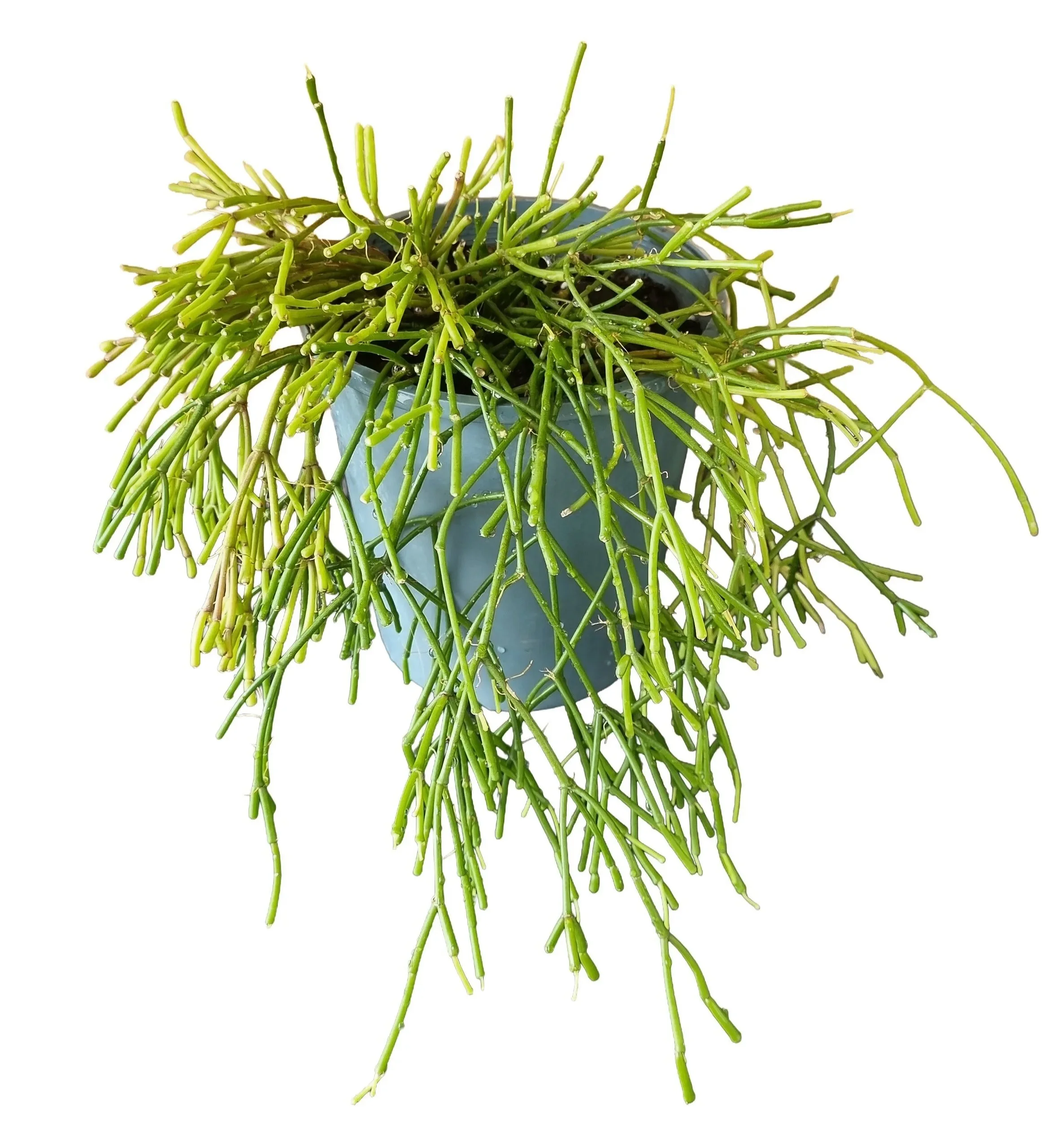
Mistletoe Cactus
A soft, cascading cactus that’s perfect for shelves or hangers—easy to style and even easier to love.
Styling ideas
Let them spill from high shelves or bookcases
Use macramé hangers for a relaxed, boho feel (see our macramé hangers here)
Group different lengths together for a waterfall effect
Low effort, high impact — they pretty much style themselves
Climbing Plants: The Upward Growers
Climbing plants naturally grow upwards, but they need a little help getting there. In the wild, they attach to trees using aerial roots or tendrils. Indoors, that’s where trellises, stakes, and moss poles come in.
Why choose climbing plants?
Encourages larger leaves and healthier growth
Creates vertical interest (great for small spaces!)
Gives a more structured, styled look
Popular climbing plants
Monstera deliciosa
Monstera adansonii
Philodendron (e.g., Brasil, Micans, Heartleaf)
Rhaphidophora tetrasperma
Scindapsus (Satin Pothos)
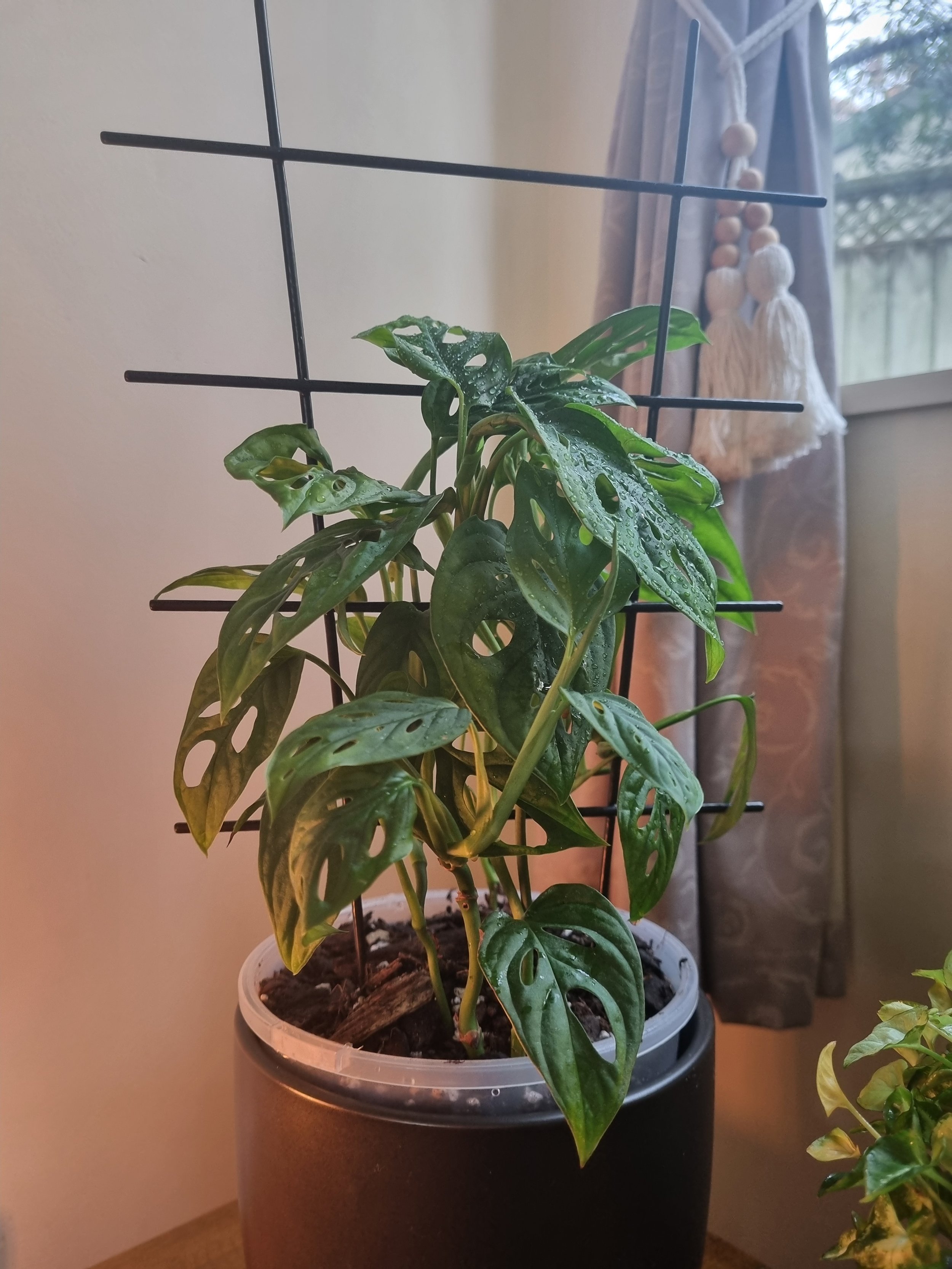
Monstera Adansonii
A fast-growing climber known for its signature fenestrated leaves—perfect for training up a trellis to create height and impact.
Trellis styling: functional + beautiful
Adding a trellis isn’t just about support—it’s a design feature too.
Trellis ideas to try:
Minimal wire trellis – modern and subtle
Wooden ladder trellis – warm, natural texture
Arch trellis – creates a statement focal point
Fan trellis – perfect for shaping growth outward
How to style with a trellis:
Guide vines gently using plant ties or clips
Train growth early for a full, even shape
Match your trellis material to your décor (timber, white, black metal)
Think of a trellis as plant scaffolding—it helps your plant become its best self
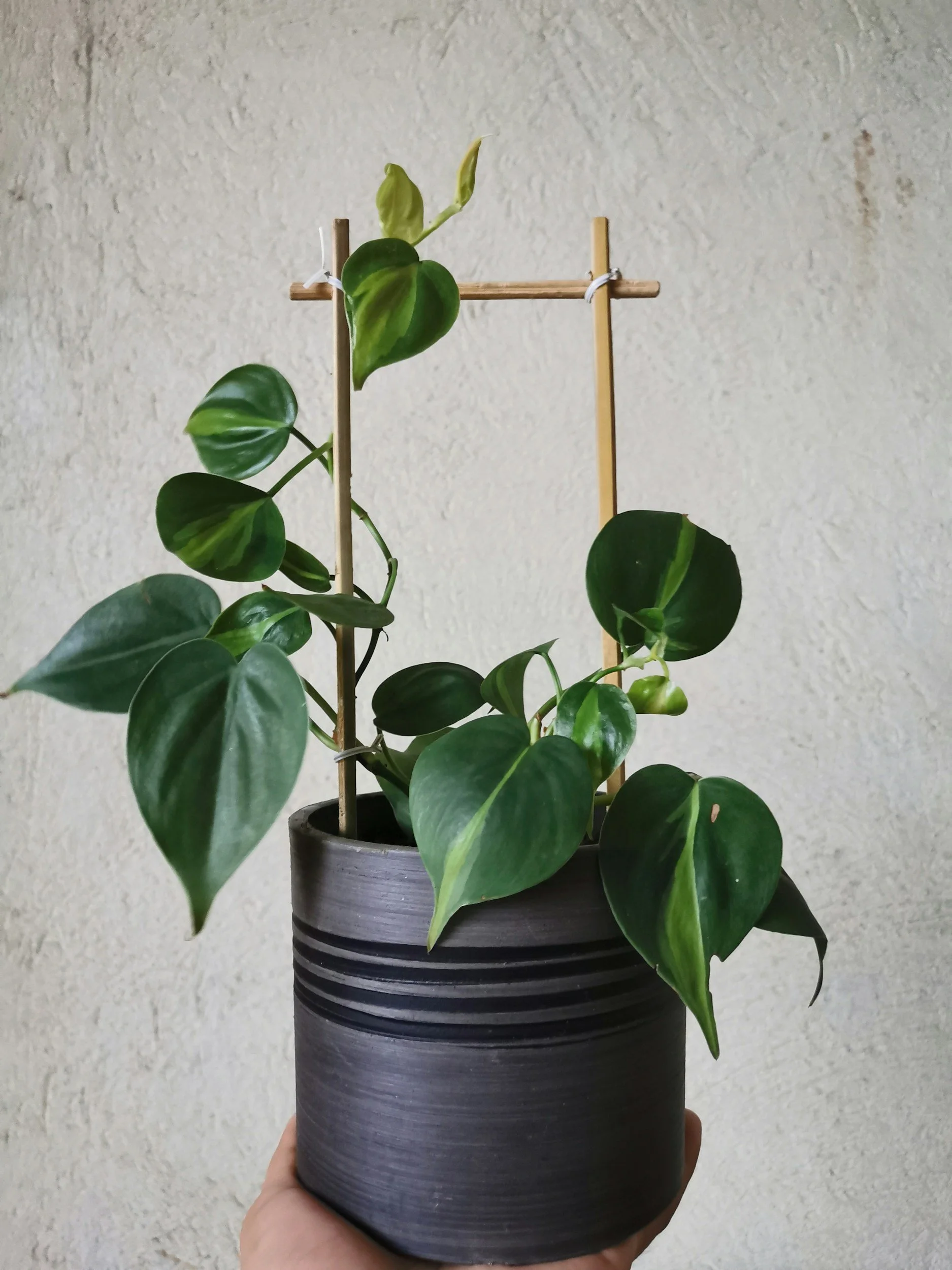
Climbing Philodendron Brasil
Can a plant be both?
Yes! Some plants can trail OR climb, depending on how you style them.
For example:
Pothos can trail beautifully or climb a moss pole (and will grow bigger leaves when it does!)
Philodendron varieties often start trailing but prefer to climb if given support
If you notice smaller leaves and leggy growth, your plant might be telling you:
"Hey… I’d love something to climb."
Choosing what’s right for your space
Here’s a quick guide:
If you want…
Soft, cascading greenery → trailing plants
Structured, statement growth → climbing plants
A mix of both → combine + layer!
Ready to try it yourself?
If you’re feeling inspired to experiment with both styles, a great place to start is by choosing one of each and seeing how they transform your space.
For a soft, cascading look, the Mistletoe Cactus is a beautifully understated trailing plant. Its fine, draping stems create that effortless waterfall effect — perfect for shelves, plant stands or hanging planters.
→ Shop the Mistletoe Cactus
If you’re drawn to upward growth and a more structured feel, the Satin Pothos (Scindapsus) is ideal for training up a trellis or pole. With a little guidance, it develops fuller growth and those signature silvery leaves really shine when displayed vertically.
→ Shop Satin Pothos
Whether you let it spill or help it climb, the magic is in how you style it.