
Plant Profile Library
A reference library of botanical specifications for selected plants, bringing together science‑based detail and practical insight.
Download each plant profile to save, study, or revisit anytime.
A
B
C
G
J
M

P
S
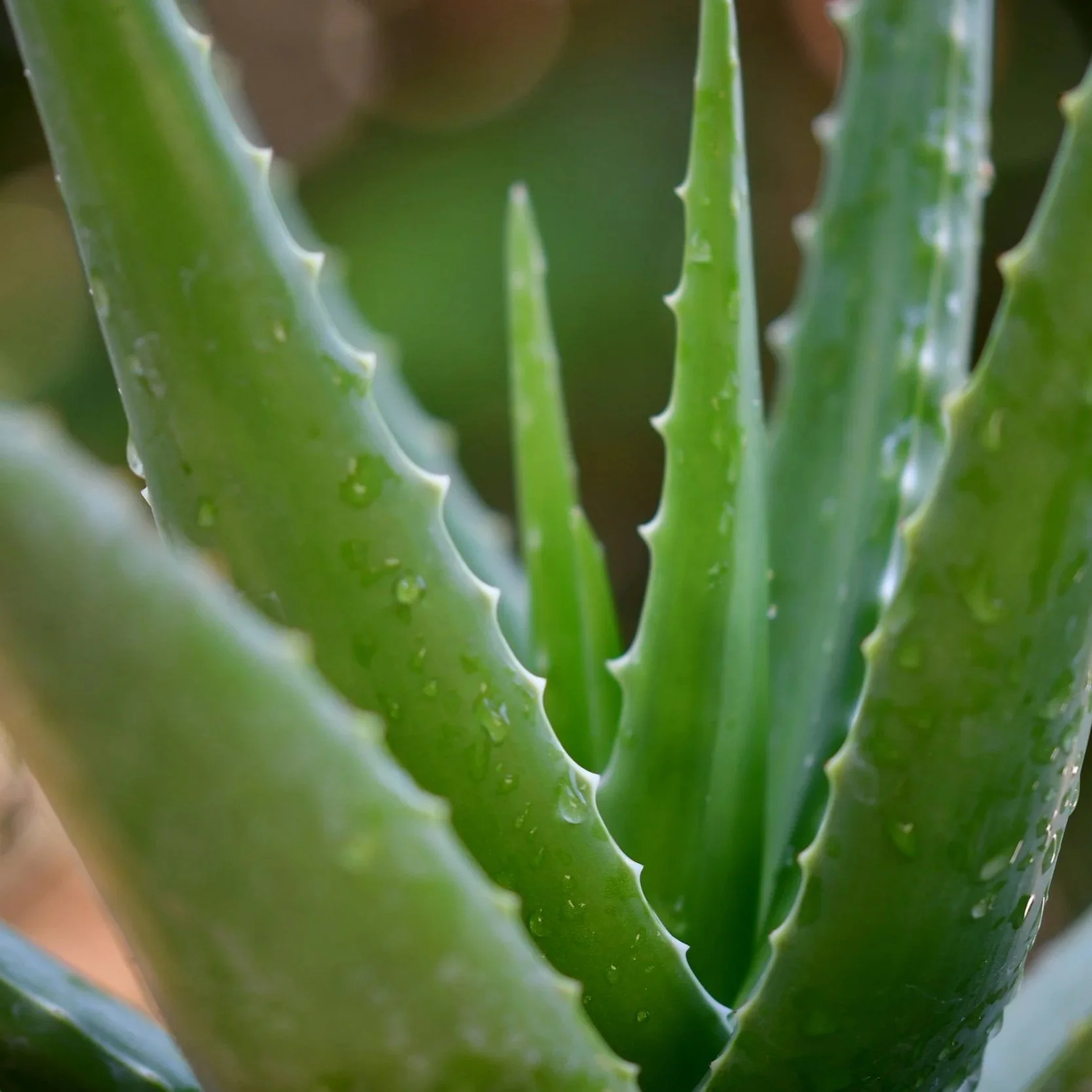
Aloe Vera
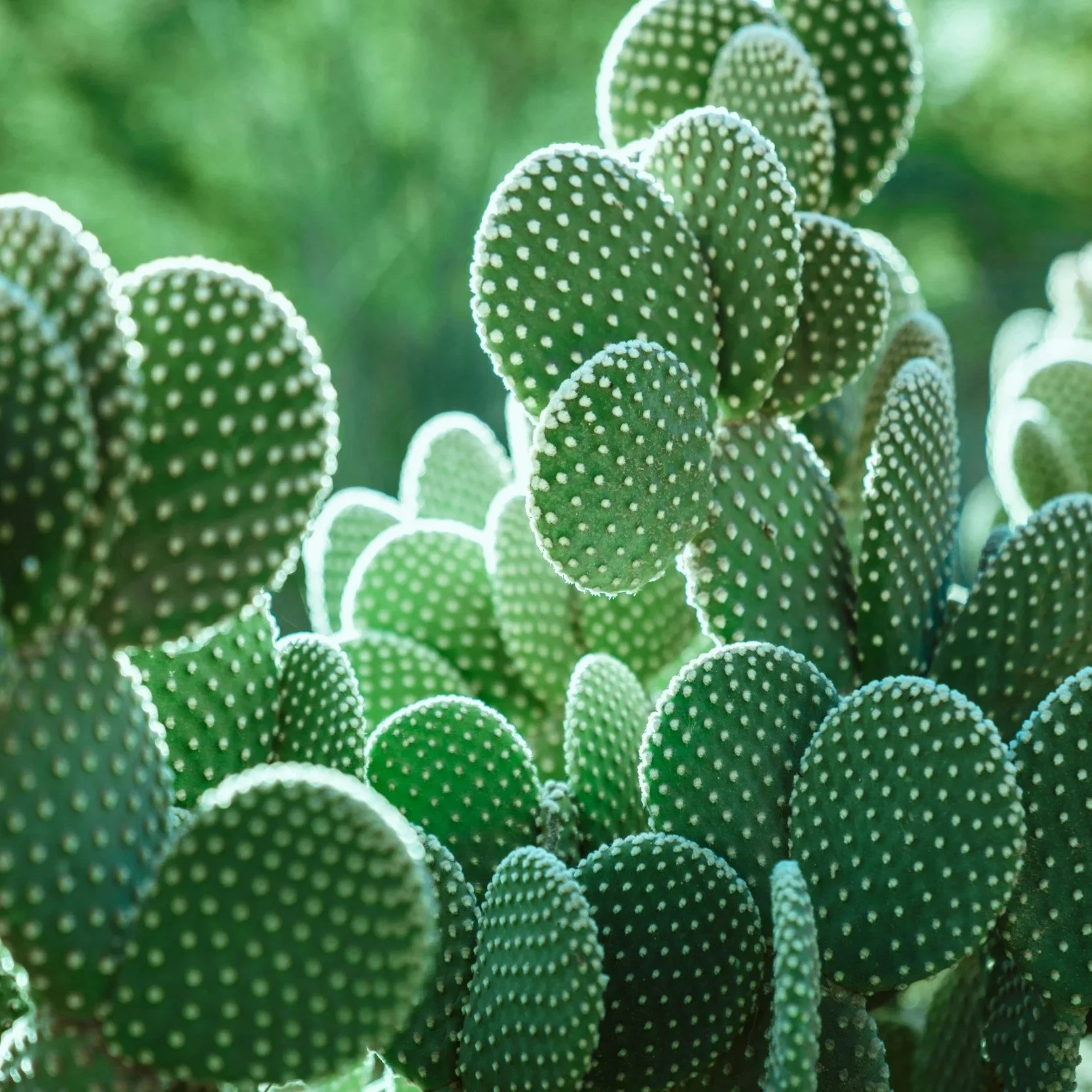
Bunny Ears Cactus
Curly Sue
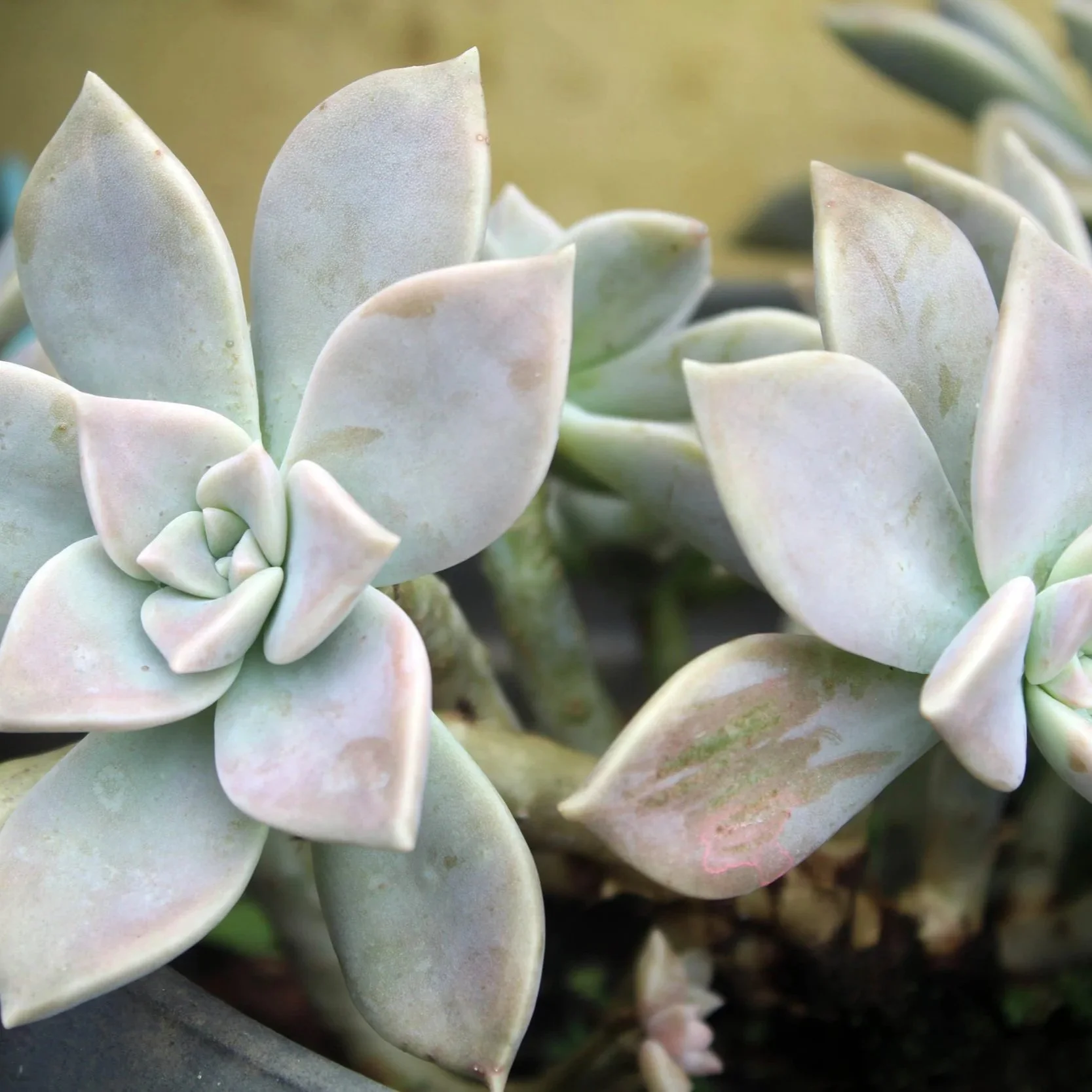
Ghost Plant
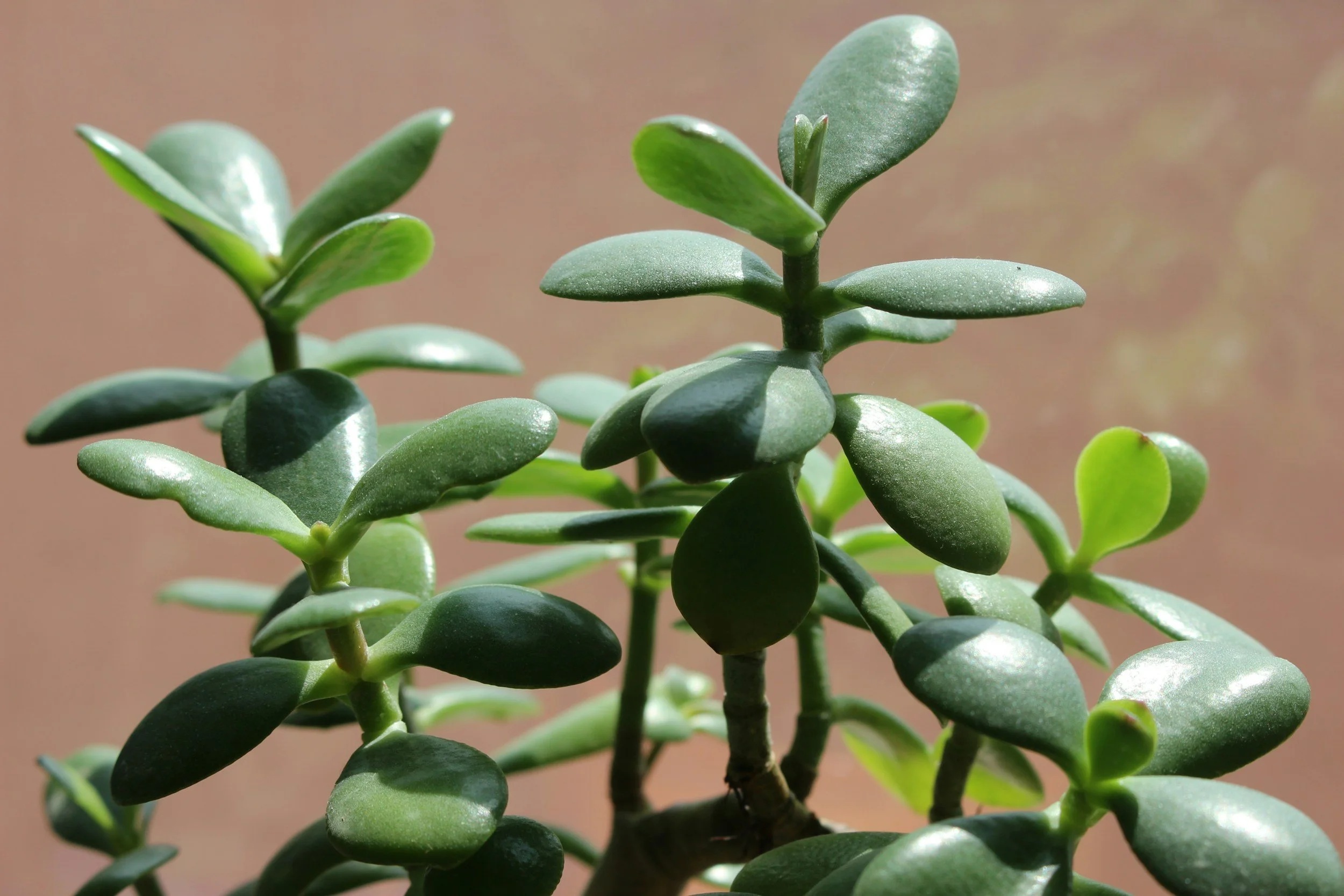
Jade Plant
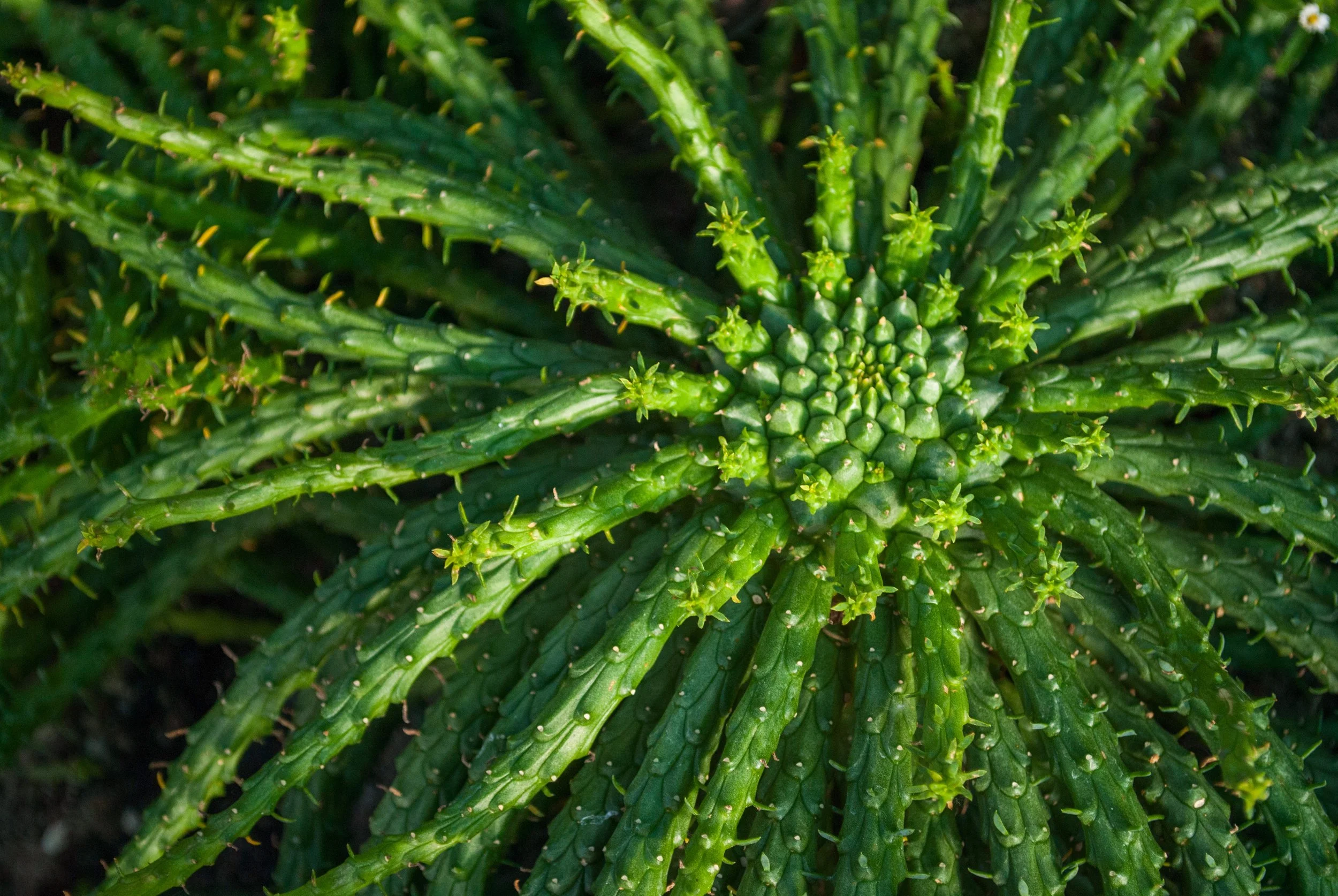
Medusa Head
Mexican Snowball
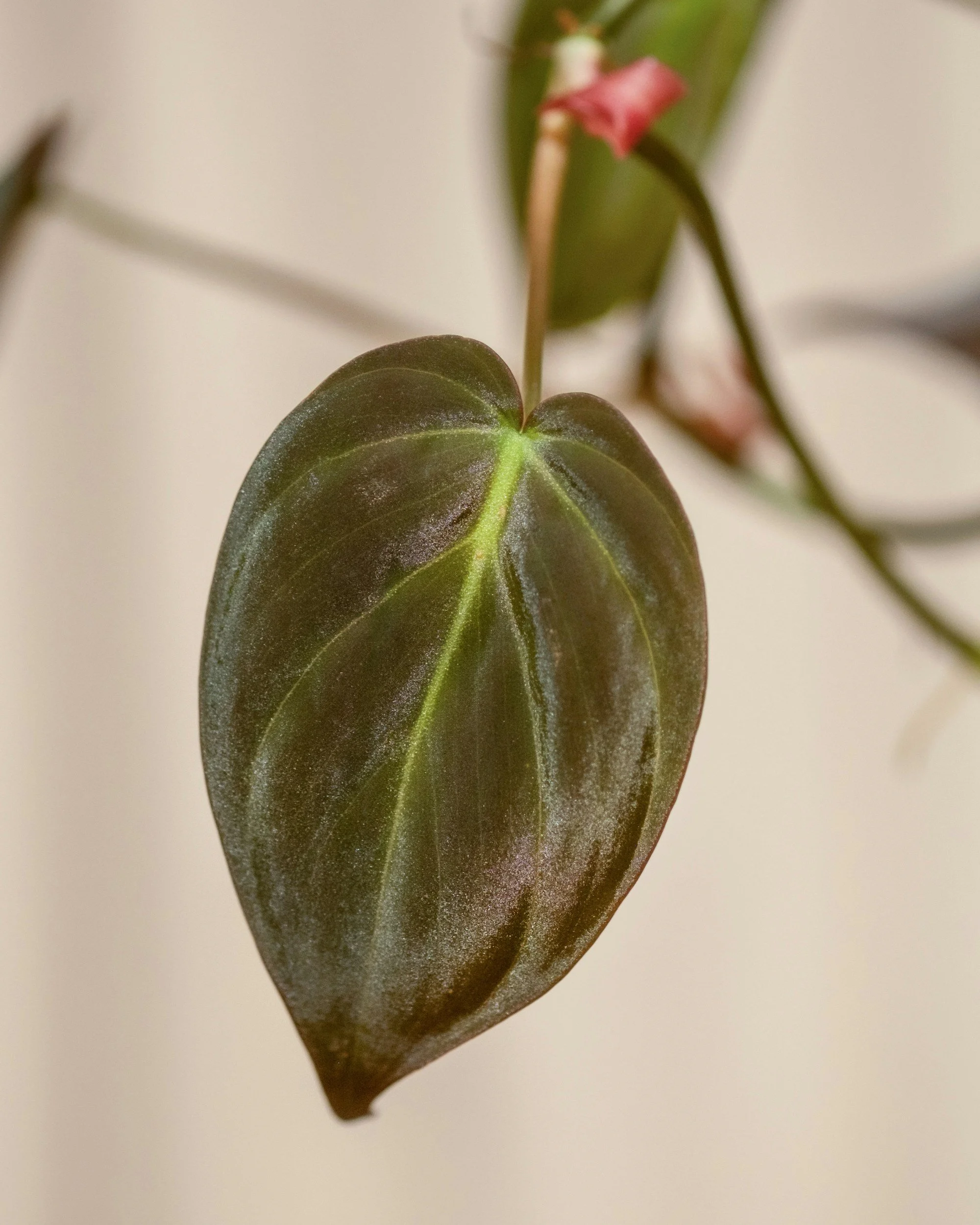
Micans
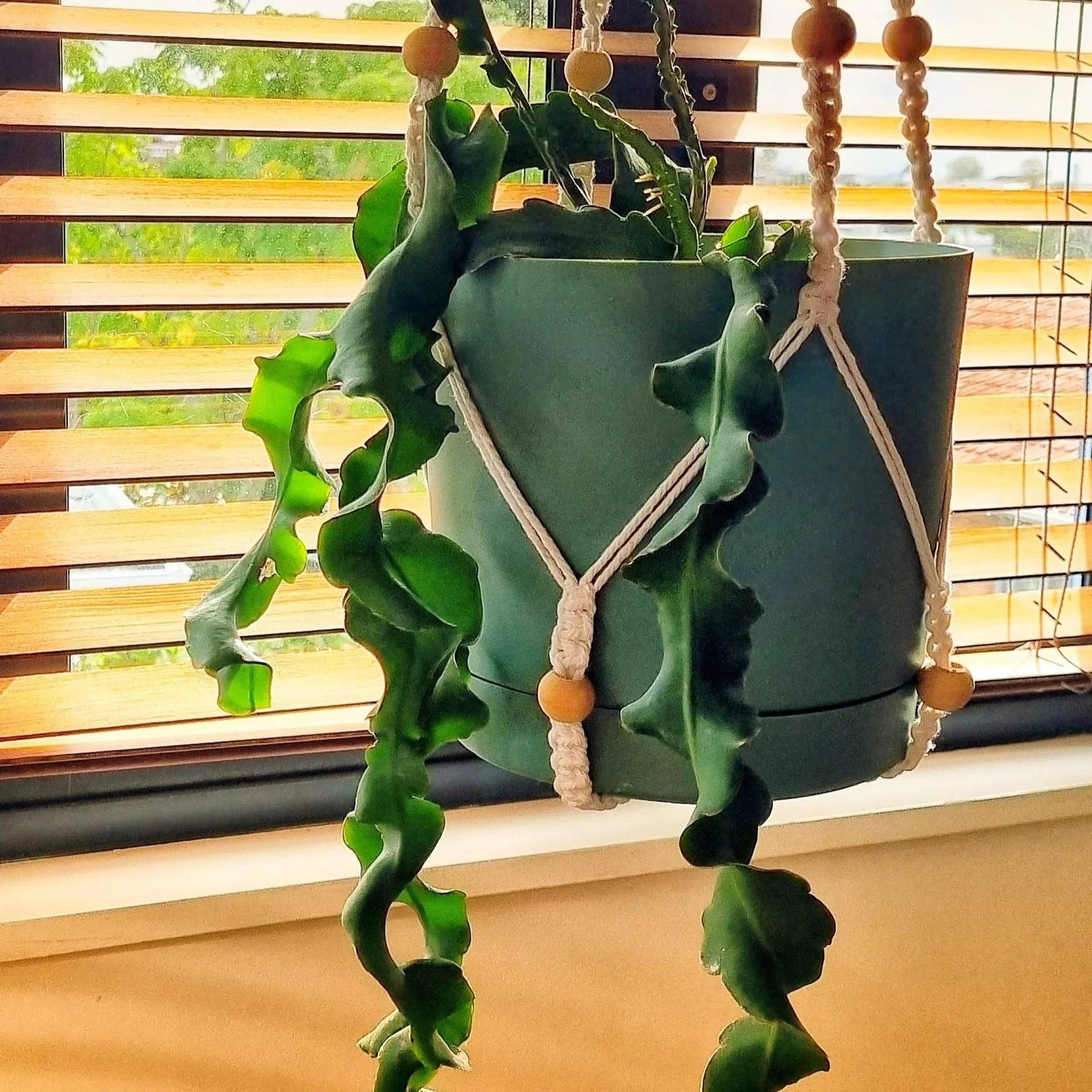
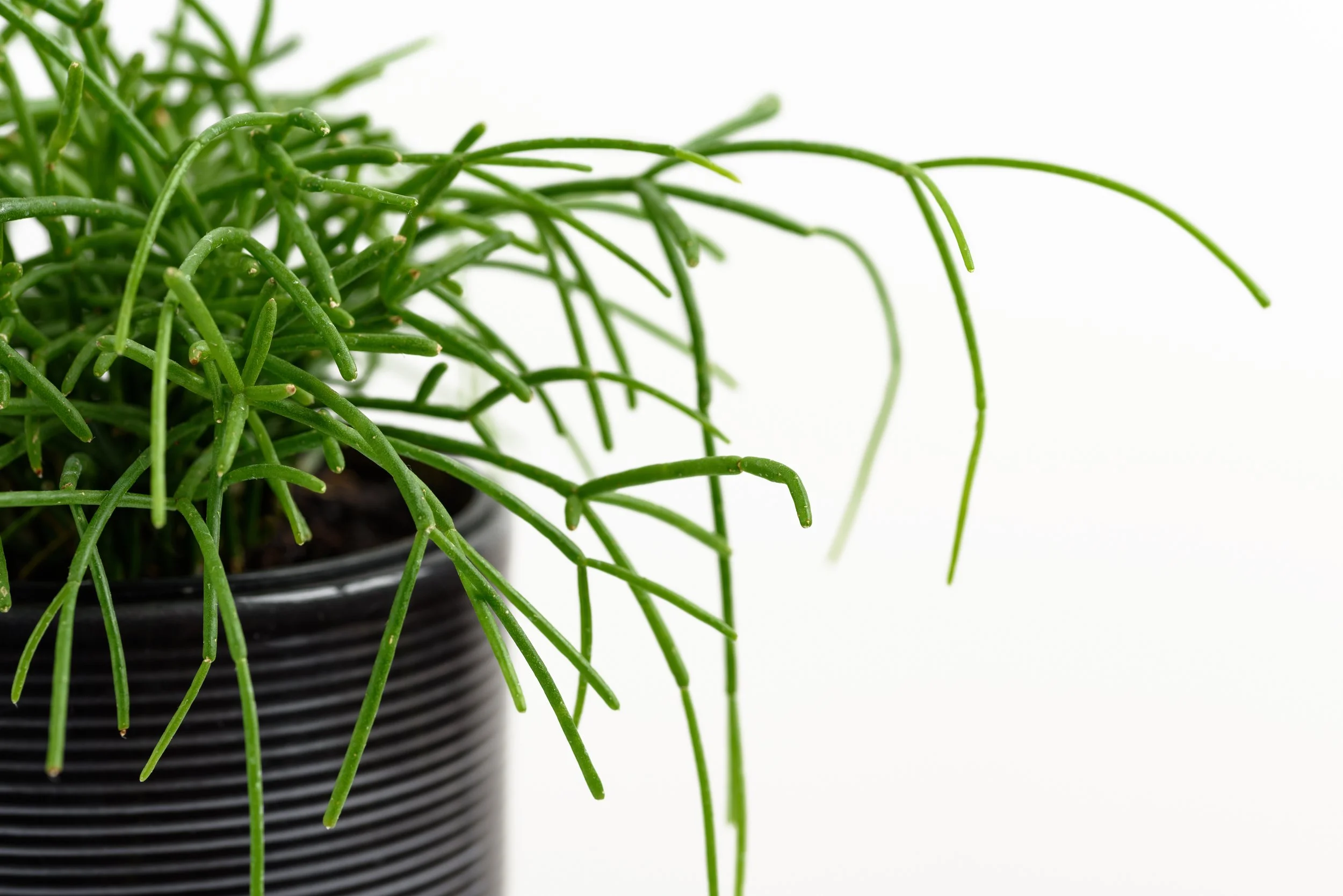
Mistletoe Cactus
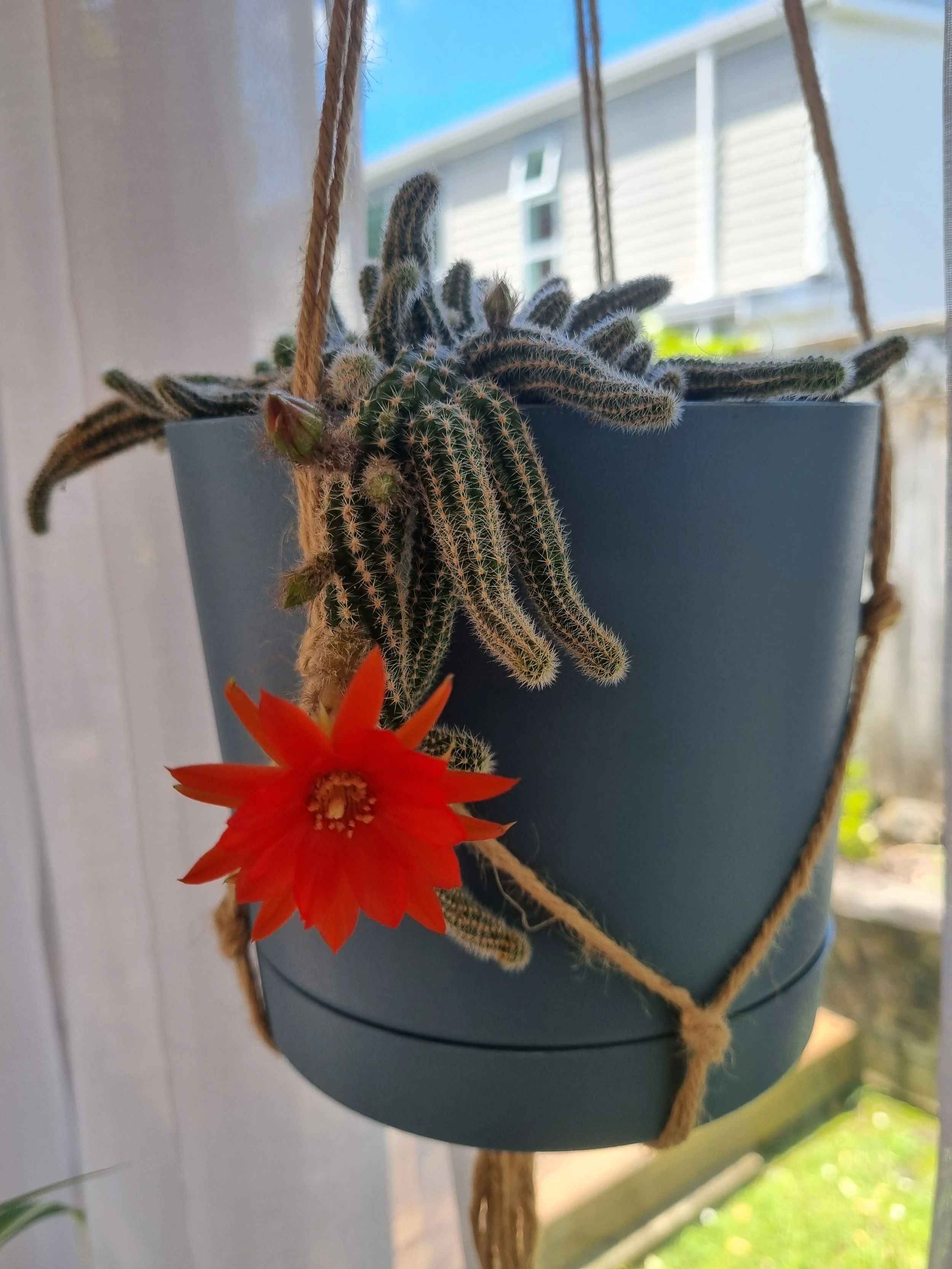
Peanut Cactus
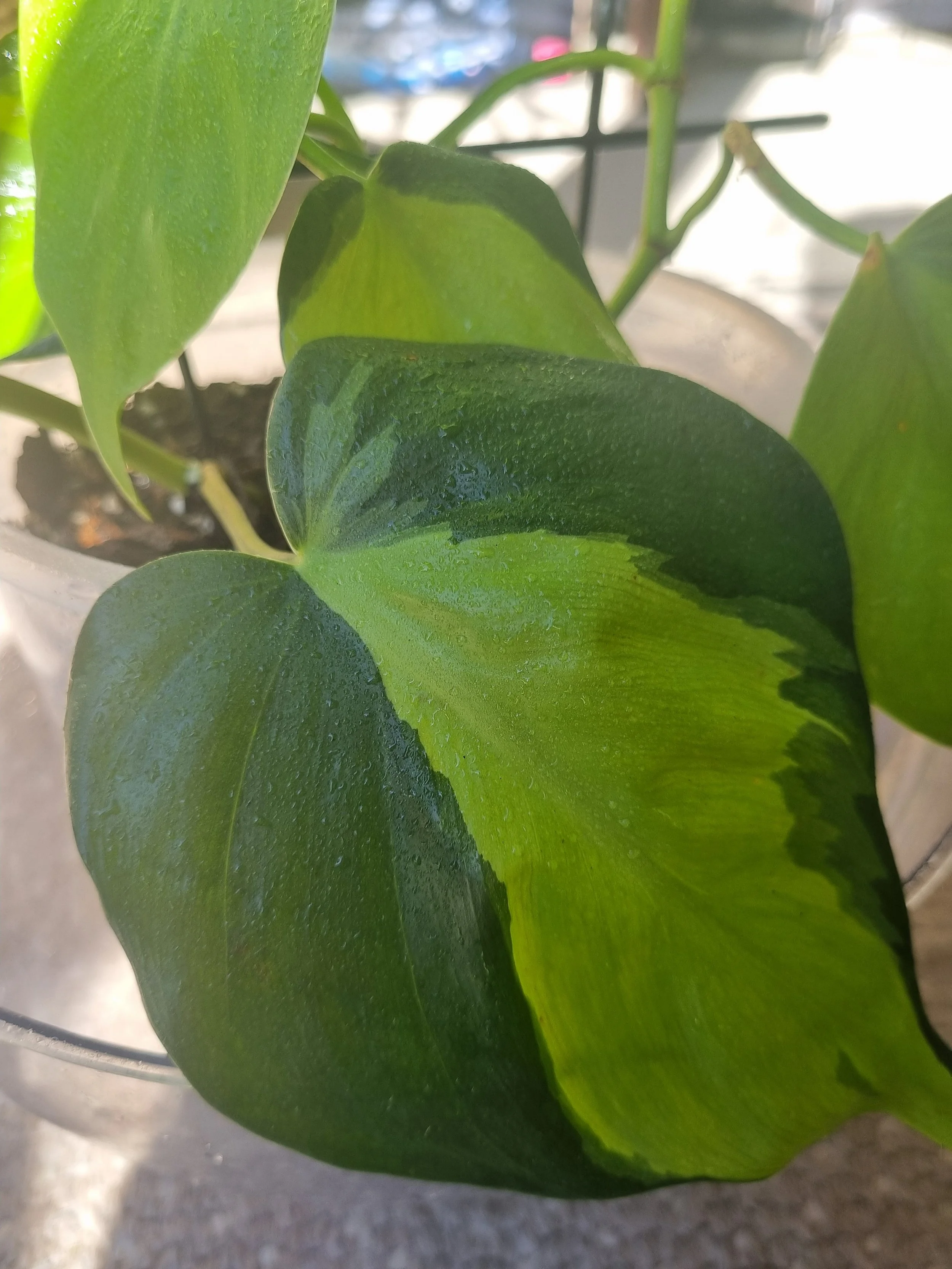
Philodendron Brasil
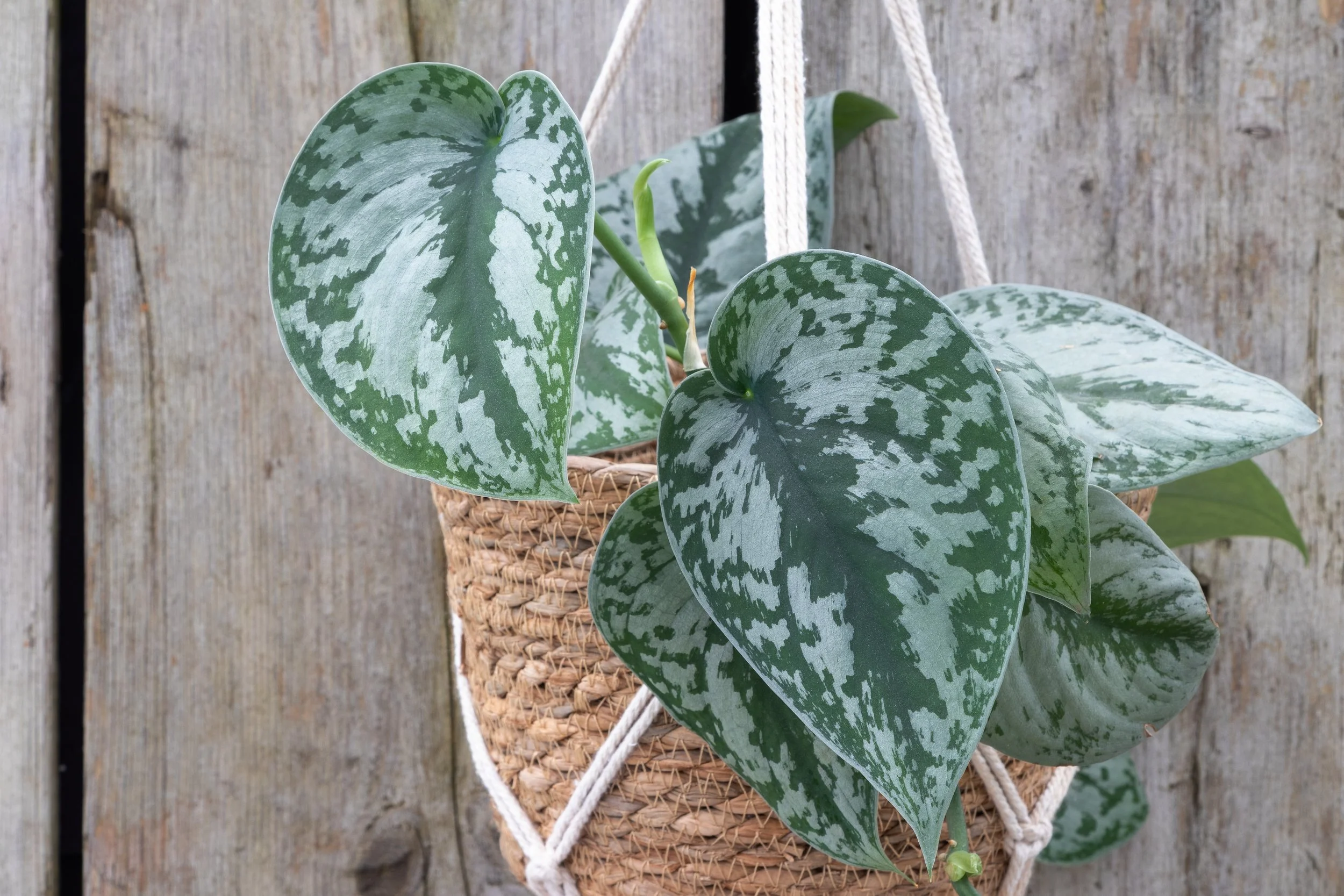
Satin Pothos
Did you know? Aloe vera stores water as a gel inside its leaves, allowing it to survive long dry periods and quickly repair leaf tissue after damage.
Did you know? Bunny Ears cactus doesn’t have true spines — those tiny dots are detachable glochids that help protect the plant.
Did you know? Curly Sue is a monstrose cactus — its tightly curled, sculptural stems are a stable genetic mutation, not a response to light or care.
Did you know? Ghost Plant leaves can shift from grey to pink or purple depending on light levels and environmental stress.
Did you know? Jade plants can live for decades and are often passed down through generations as long‑lived houseplants.
Did you know? Medusa Head produces a milky sap that acts as a natural defence against animals.
Did you know? The powdery coating on Mexican Snowball leaves acts like sunscreen, protecting the plant from intense sunlight.
Did you know? Micans leaves have a velvety surface that changes colour as it catches the light.
Did you know? Mistletoe cactus is a rainforest cactus — it naturally grows in trees rather than desert soil.
Did you know? Peanut cactus often produces flowers that are larger than the plant itself.
Did you know? The brighter the light, the more vivid the lime‑green variegation on Brasil leaves becomes.
Did you know? The silver markings on Satin Pothos leaves help reflect light deeper into the leaf, improving photosynthesis in shade.
Looking for care advice?
Visit our Plant Care Guides for simple, practical tips to help these plants thrive.